

Interior Design 2026: What’s Lasting, What’s Fading, and What We’re Actually Using
By 2026, the conversation around interior design has shifted. We’re no longer interested in chasing trends for the sake of novelty. Instead the focus is on what endures, what elevates a space, enhances experience, and holds its relevance over time. At the intersection of boutique hospitality and luxury residential design, here’s what we see lasting, fading, and actively shaping the work we’re creating now.
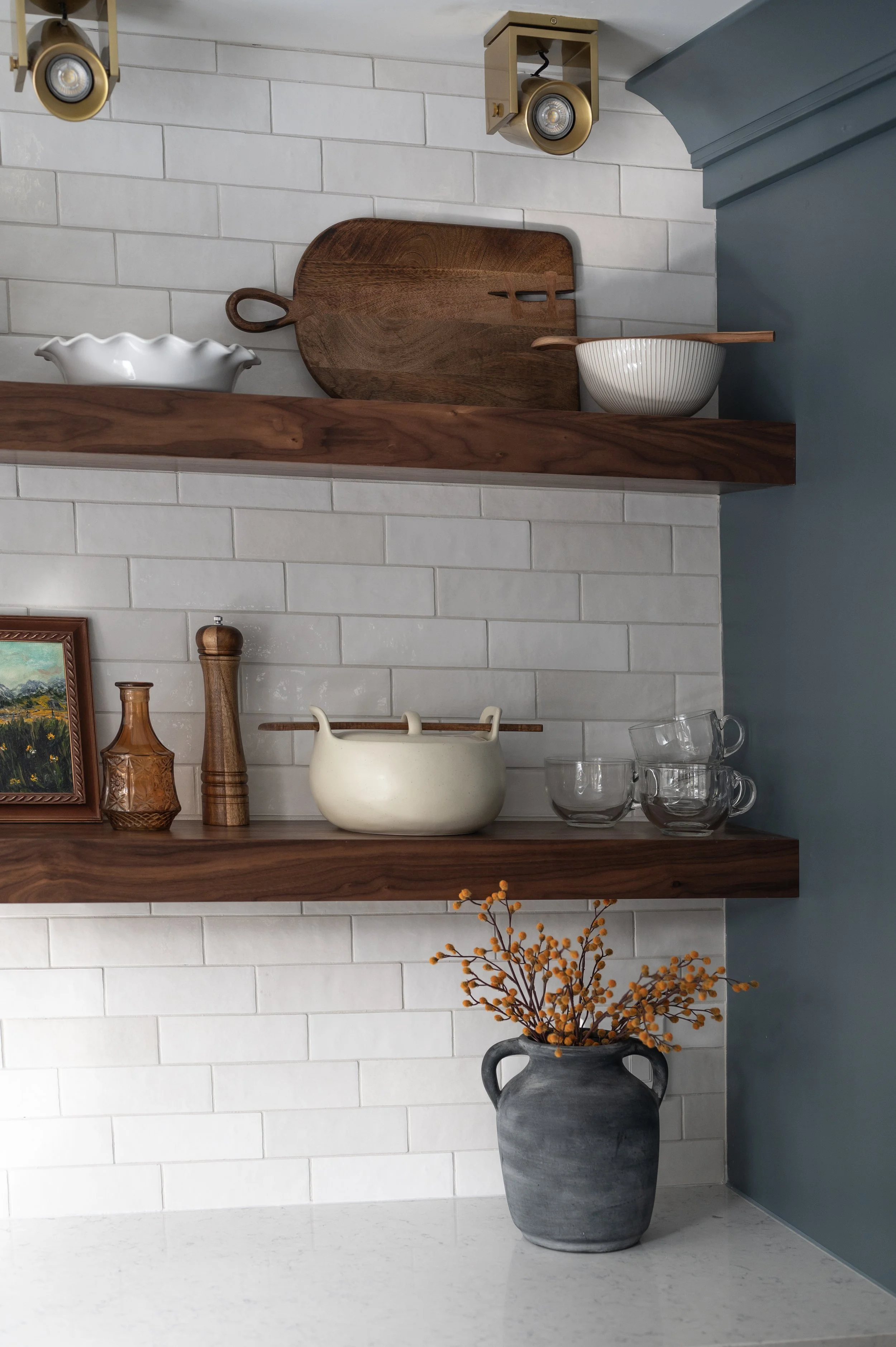
Kitchen Backsplash
What’s Lasting: Bold, Experience-Driven Spaces
Bold interiors are not a trend, they're a return to intention. After years of muted palettes and safe choices, spaces are once again allowed to have personality. In 2026, residential interiors are borrowing heavily from boutique hospitality, embracing drama in a way that still feels refined. Wet bars feel more like swanky 1920s speakeasies than secondary amenities. Powder baths become moody, jewel-toned moments. Pattern is layered confidently, paired with rich materials that feel grounded rather than overwhelming.
Equally lasting is the idea that every space deserves a moment. Doorways and transitions are no longer purely functional. We’re seeing stone-clad thresholds, patterned tile insets, and sculptural arches that mark a shift from one space to another. These details create rhythm and storytelling elements that will always feel considered rather than dated.
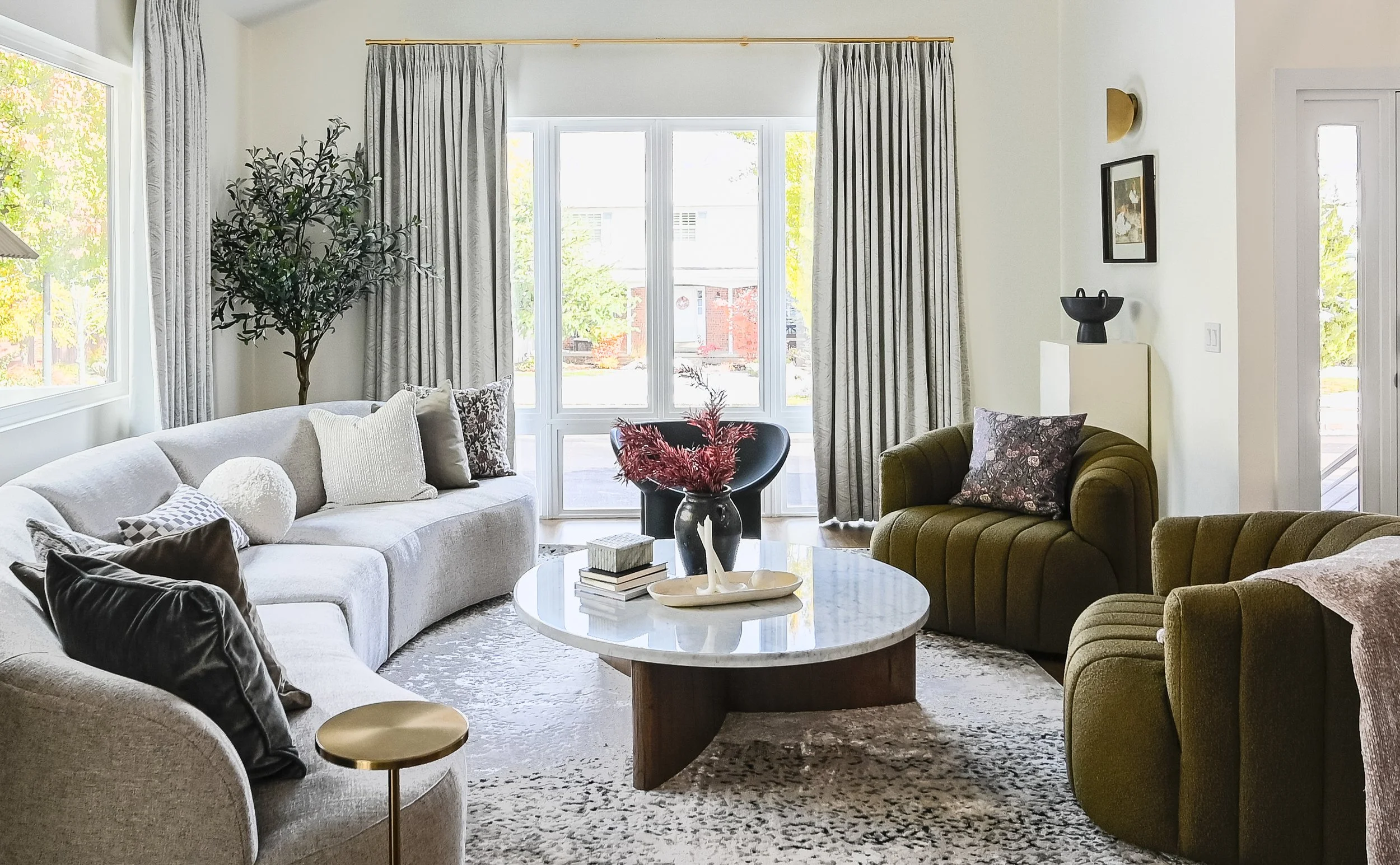
Our Willow Hills project
What’s Fading: Disposable Design
What’s quietly falling away in 2026 is the overuse of synthetic, short-lived materials. Polyester-heavy textiles, overly processed finishes, and trend-driven décor pieces designed for quick turnover are losing their appeal. Consumers are more informed and more selective. There’s a growing resistance to “fast design” in favor of pieces that feel intentional and well-made.
We’re also seeing less interest in spaces designed solely for aesthetics. A beautiful room that lacks comfort, warmth, or functionality simply doesn’t hold up.
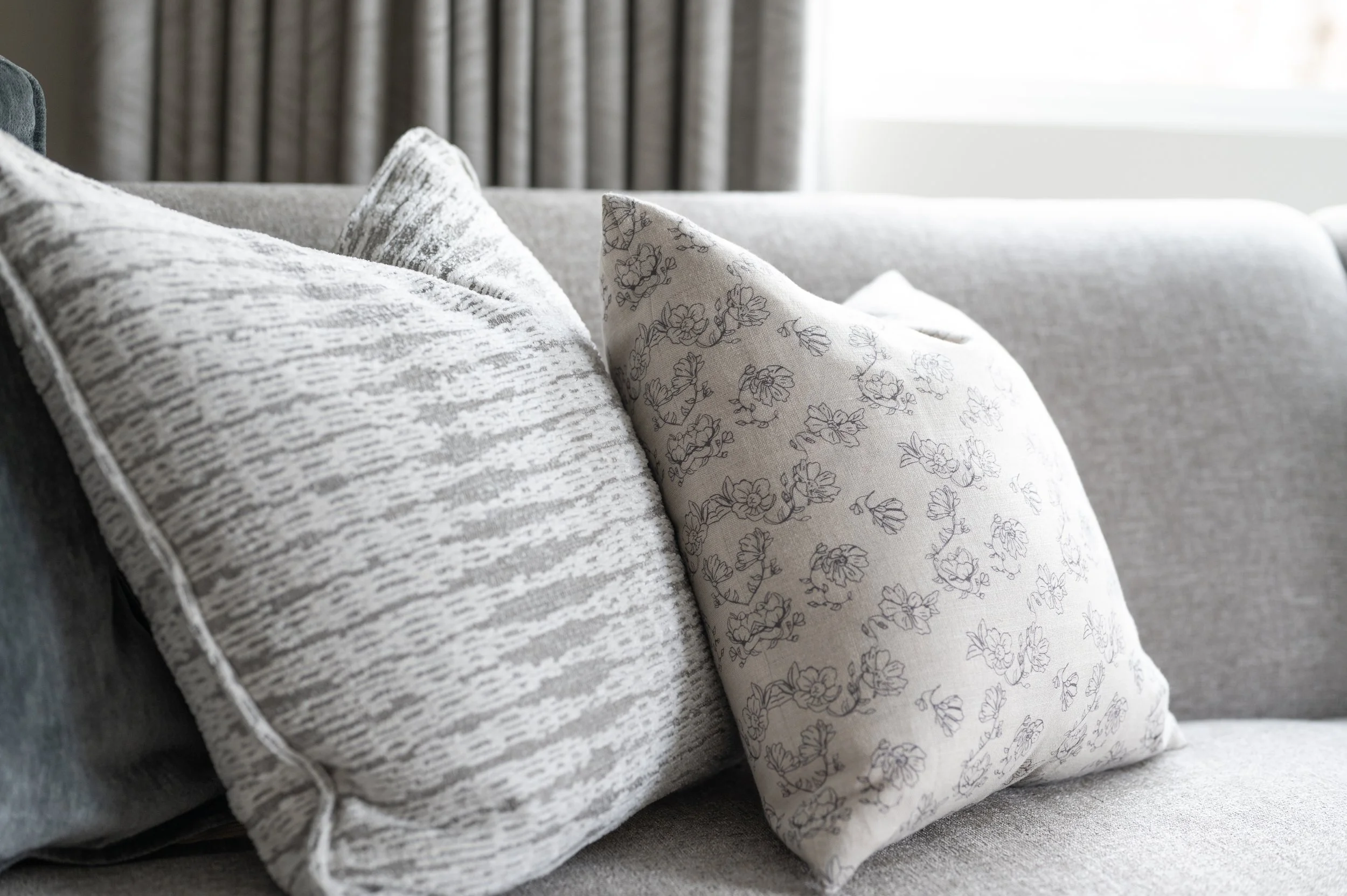
Custom Pillows from our pillow collection
What We’re Actually Using: Craft, Art, and Elevated Comfort
In practice, we’re leaning into artisan materials. Materials like linen, organic cotton, raw woods, plaster, ceramics, and handcrafted details are being used. Clients are investing in fewer pieces with greater impact: custom textiles, hand-finished frames, delicate trims, and objects with a story behind them. Quality over quantity isn’t just aspirational, it's becoming standard.
Art is also leading design decisions. Rather than being added at the end, sculptural lighting, statement artwork, and collectible furnishings are shaping layouts from the start. Spaces are designed around how they feel to inhabit, not just how they photograph.
Looking ahead, 2026 interiors aren’t about what’s new, they’re about what lasts. Thoughtful design, bold expression, and craftsmanship will always outlive trends. And that’s where we’re choosing to invest.